
How Black Controls is modernizing the controls behind an existing radiopharmaceutical production line while retaining its mechanical and electrical infrastructure.
The situation
A radiopharmaceutical company was working toward commercialization of a new product. But the production system wasn’t ready to take them there.
The process had evolved, while the controls had not kept pace. Access to critical source code was also missing, leaving the internal team unable to make the changes needed to bring the system in line with current production and regulatory requirements.
Starting over wasn’t the answer. The existing mechanical and electrical equipment didn’t need to be replaced.
The challenge was to replace the brains of the system without rebuilding the body.
The opportunity
This wasn’t a clean-sheet pharmaceutical automation project. The new controls had to work within the constraints of existing equipment, without access to the original source code, while accounting for an evolving production process.
That meant looking at the whole system with fresh eyes. Station by station, the team could question how the system should work, identify gaps in areas like process tracking and failure handling, and build those requirements into the new controls.
In a pharmaceutical environment, however, designing the right solution is only part of the work. The requirements, design decisions, testing and qualification also need to be documented and traceable throughout the project. The work needed to follow Good Automated Manufacturing Practice (GAMP 5) guidelines and account for requirements including 21 CFR Part 11.
Because the system had originally been built several years earlier, Black Controls also assessed the existing safeguarding and identified updates required to meet current CSA Z432 requirements.
The goal was to make the existing line work better for what came next.
The approach
The work started with requirements.
Black Controls has developed its own documentation management system to support the demands of pharmaceutical automation projects. The system provides a structured way to develop, manage and maintain the documentation and traceability required throughout the engineering, testing and qualification process.
For a project like this, that documentation extends across the full lifecycle of the system. It includes documents such as Functional Requirements Specifications (FRS) and Software Design Specifications (SDS), through Factory and Site Acceptance Testing (FAT and SAT), Installation and Operational Qualification (IQ and OQ), validation and traceability.
The Black Controls team worked through the system in detail, documenting what each part of the line needed to do and defining the requirements that would guide both software development and eventual qualification.
With that foundation in place, the team began rebuilding the control system from the ground up.
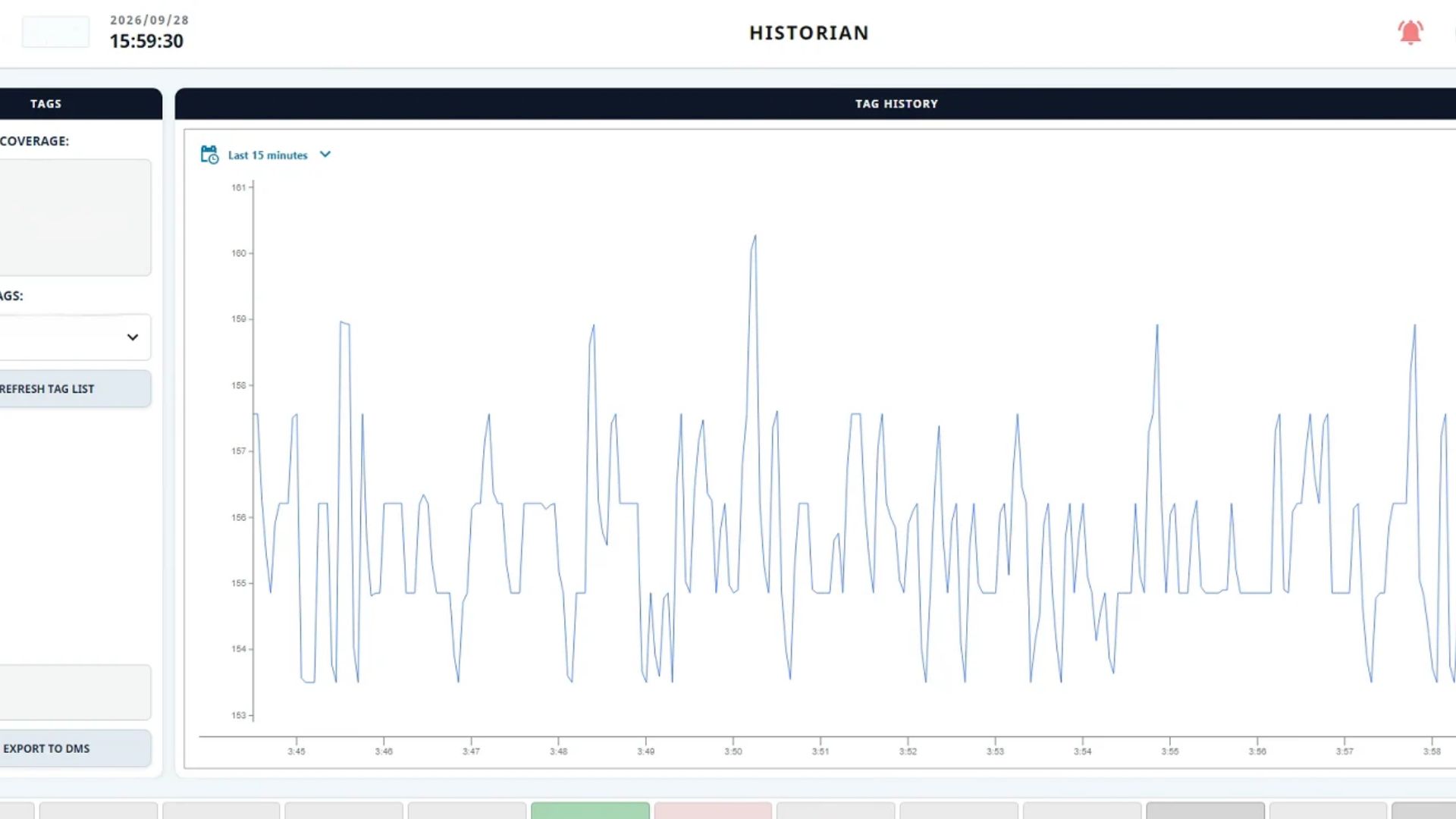
PLC logic was created, drives and I/O were configured, and the control architecture was organized to reflect how different parts of the line operate. A new SCADA system brought operator controls, process data, reporting and traceability into a single environment.
Software was only part of the challenge. In a radiopharmaceutical environment, the team also had to think differently about failure. If a sensor fails on a conventional production line, maintenance can immediately replace it. In this case, some equipment may become inaccessible for months once radioactive material has been introduced. The controls needed to account for how production could respond when simply fixing a component wasn’t an option.
To reduce risk before deployment, representative hardware was tested at the engineering facility, followed by a simulated factory acceptance test (FAT). That allowed the team to validate as much of the new control system as possible before taking it to the production line.
Then simulation met reality.
Once on site, the focus shifted from testing individual components to commissioning the controls within the full production line. Behaviours that couldn’t be replicated off-site, including how equipment moved and interacted within the physical system, could now be tested and refined in context as the complete system came together.
As testing and commissioning continue to refine the system, the documentation is evolving with it, building toward the installation and operational qualification process.
The outcome
The project is still in progress, with the new control system now moving through on-site commissioning toward formal qualification.
Already, the customer is seeing a system built around the production process as it operates today. Feedback on the new interfaces and the team’s approach has been positive, particularly the willingness to ask questions, challenge assumptions and understand the process before translating it into code.
The bigger shift will come at handover.
For the first time, the customer will have full ownership of the new source code. Its internal team will be able to maintain the system, make future improvements and adapt the controls as production needs continue to evolve.
The existing production line will remain. But the customer will have the control to move it forward.
Modernize your controls. Keep what works.
Your production needs may have changed, but that doesn’t mean your equipment needs to be replaced. Black Controls helps manufacturers modernize existing control systems, address complex engineering challenges and prepare for what’s next.